
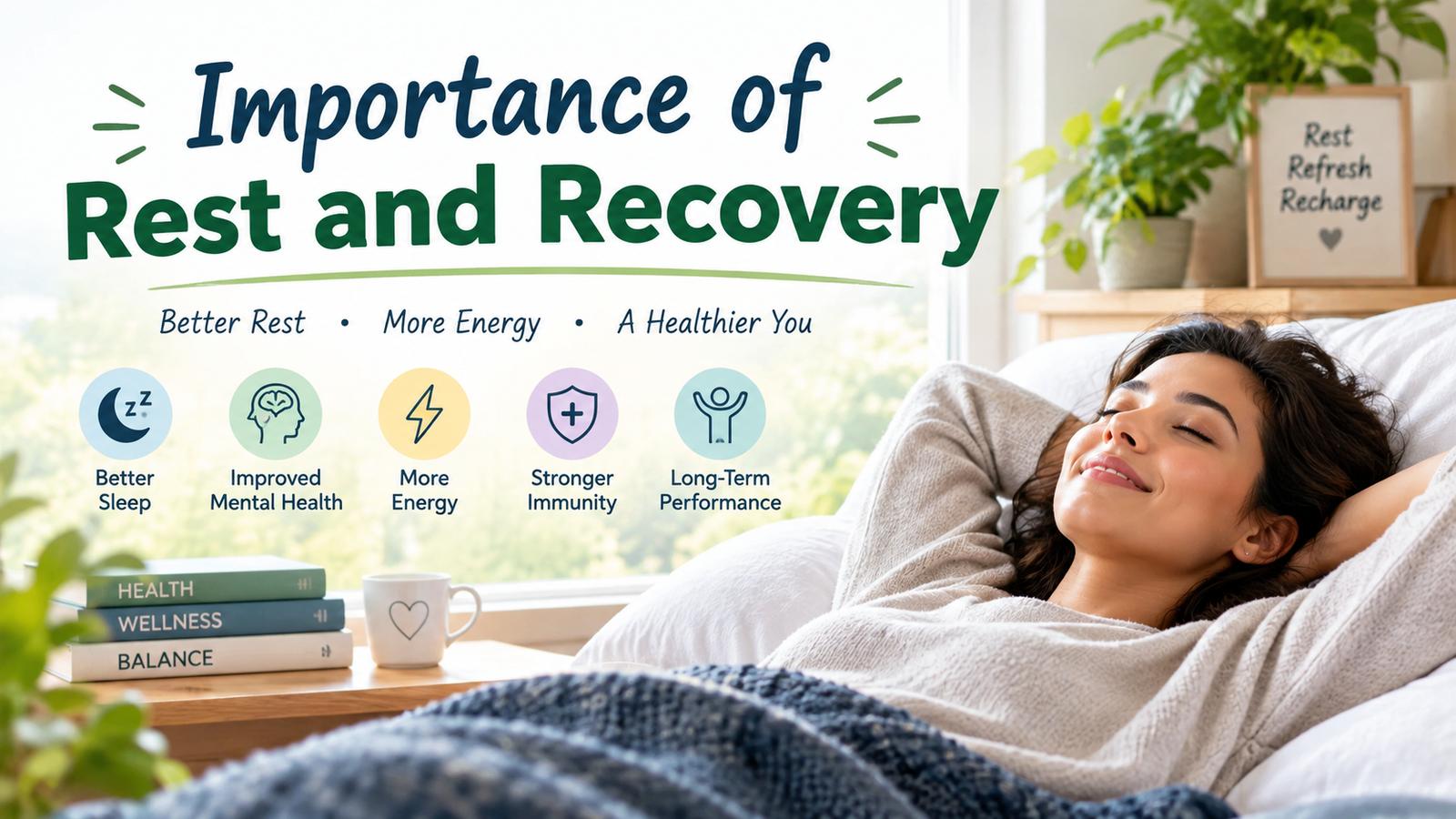
In a world where staying busy is often seen as a sign of success, rest can easily become an afterthought. However, the body and mind need time to recharge, repair, and regain energy. The Importance of Rest and Recovery goes beyond simply taking a break. It plays a vital role in physical health, mental well-being, daily performance, and long-term balance. Understanding the value of recovery can help individuals develop healthier routines and avoid the exhaustion that comes from constant activity.
What Is Rest and Recovery?
Rest refers to periods when the body and mind are allowed to relax and reduce activity. Recovery is the process through which the body repairs itself and restores energy after physical, mental, or emotional demands.
Although the two terms are closely connected, they are not exactly the same. Rest may involve sleeping, sitting quietly, or taking a break from work. Recovery can also include gentle movement, proper nutrition, hydration, stretching, and activities that support overall well-being.
Together, rest and recovery help the body return to a balanced and functional state.
Why Is Rest and Recovery Important?
1. Supports Physical Health
Daily activities, exercise, and physical work place stress on the muscles, joints, and other body systems. Rest gives the body time to repair tissues, restore energy, and adapt to physical demands.
Without enough recovery, continued strain may contribute to soreness, reduced mobility, and a higher risk of injury. Regular rest supports physical strength and helps the body perform everyday tasks more comfortably.
2. Improves Mental Well-Being
The mind also needs time away from constant responsibilities. Continuous work, screen exposure, and daily stress can leave a person feeling mentally drained.
Restful activities can reduce tension, improve mood, and create space for clearer thinking. A well-rested mind is often better prepared to handle challenges, make decisions, and respond to stress in a balanced way.
3. Helps Maintain Energy and Productivity
Working longer does not always mean achieving more. When the body and mind become exhausted, concentration, creativity, and efficiency may decline.
Short breaks and adequate sleep can help restore focus and energy. As a result, individuals may complete tasks more effectively instead of spending extra time working while feeling tired.
4. Encourages Better Sleep
A healthy recovery routine can support better sleep habits. While sleep is one of the most important forms of rest, relaxation during the day can also help the body prepare for nighttime recovery.
A consistent sleep schedule, a calming evening routine, and reduced exposure to stimulating activities before bed can contribute to more restful sleep.
5. Supports Long-Term Performance
Whether a person is an athlete, student, professional, or someone managing daily responsibilities, sustainable performance requires balance.
Rest allows the body and mind to recover between periods of effort. This balance can help individuals remain consistent, avoid unnecessary exhaustion, and continue working toward their goals over time.
The Role of Sleep in Rest and Recovery
Sleep is one of the most essential parts of the recovery process. During sleep, the body performs important functions related to physical repair, memory, immune support, and energy restoration.
Insufficient sleep may lead to tiredness, difficulty concentrating, mood changes, and reduced performance. Adults generally benefit from around seven to nine hours of sleep per night, although individual needs can vary.
A comfortable sleep environment, a regular bedtime, and a relaxing routine can help support better sleep quality.
Active Recovery vs. Complete Rest
Recovery does not always mean remaining completely inactive. Depending on the level of fatigue and the type of activity involved, different forms of recovery may be helpful.
Complete Rest
Complete rest involves taking a break from demanding physical or mental activities. It may be appropriate after intense exercise, illness, significant fatigue, or periods of high stress.
Active Recovery
Active recovery involves gentle activities such as walking, light stretching, mobility exercises, or relaxed cycling. These activities may help maintain movement and reduce stiffness without placing excessive strain on the body.
The most suitable approach depends on an individual’s condition, activity level, and recovery needs. Listening to the body is an important part of choosing between rest and gentle movement.
Signs That the Body Needs More Rest
The body often provides signals when recovery is insufficient. Common signs may include:
- Persistent tiredness
- Reduced concentration
- Irritability or mood changes
- Muscle soreness that does not improve
- Lower motivation
- Difficulty sleeping
- Declining performance
- Increased feelings of stress
These signs do not always indicate a serious problem, but they may suggest that the body and mind need additional recovery time. Paying attention to these signals can help prevent exhaustion from becoming a regular pattern.
How to Build Rest and Recovery Into Daily Life
Create a Consistent Sleep Routine
Going to bed and waking up at similar times each day can help support the body’s natural sleep rhythm. A consistent routine may also make it easier to feel refreshed in the morning.
Take Regular Breaks
Short breaks during work or study can reduce mental fatigue. Stepping away from a screen, stretching, or spending a few quiet minutes in a comfortable environment can help restore focus.
Include Gentle Movement
Light walking, stretching, and mobility exercises can support recovery when the body is not ready for intense activity. Gentle movement can be especially useful after long periods of sitting.
Stay Hydrated and Eat Balanced Meals
Proper hydration and nutritious meals provide the body with the resources needed for energy and repair. A balanced diet containing sufficient protein, carbohydrates, healthy fats, vitamins, and minerals can support overall recovery.
Manage Daily Stress
Relaxation techniques, breathing exercises, reading, hobbies, and time spent with supportive people can help reduce mental strain. Recovery becomes more effective when emotional well-being is also considered.
Avoid Treating Rest as a Reward
Rest is a basic need, not something that must be earned after every task is completed. Making recovery a regular part of the day can help individuals maintain healthier and more sustainable routines.
Common Myths About Rest and Recovery
“Rest Is a Sign of Laziness”
Rest is not laziness. It is a necessary process that helps the body and mind function properly. Taking time to recover can support better performance rather than reduce productivity.
“More Exercise Always Produces Better Results”
Exercise is beneficial, but excessive training without sufficient recovery may lead to fatigue and reduced performance. Progress depends on a balance between activity, nutrition, sleep, and rest.
“A Weekend Is Enough to Recover From Constant Exhaustion”
A single weekend may not fully compensate for repeated sleep loss or prolonged stress. Sustainable recovery works best when rest is included consistently throughout the week.
Final Thoughts
The Importance of Rest and Recovery lies in its ability to support physical health, mental clarity, energy, and long-term performance. Rest is not a break from progress; it is an essential part of progress. By prioritizing quality sleep, taking regular breaks, managing stress, and allowing the body time to recover, individuals can build healthier and more sustainable lifestyles. A balanced routine gives the body and mind the opportunity to perform at their best without relying on constant exhaustion.










[…] structured workout routines, progressive overload strategies, common training mistakes, and recovery techniques to help experienced fitness enthusiasts achieve sustainable […]