
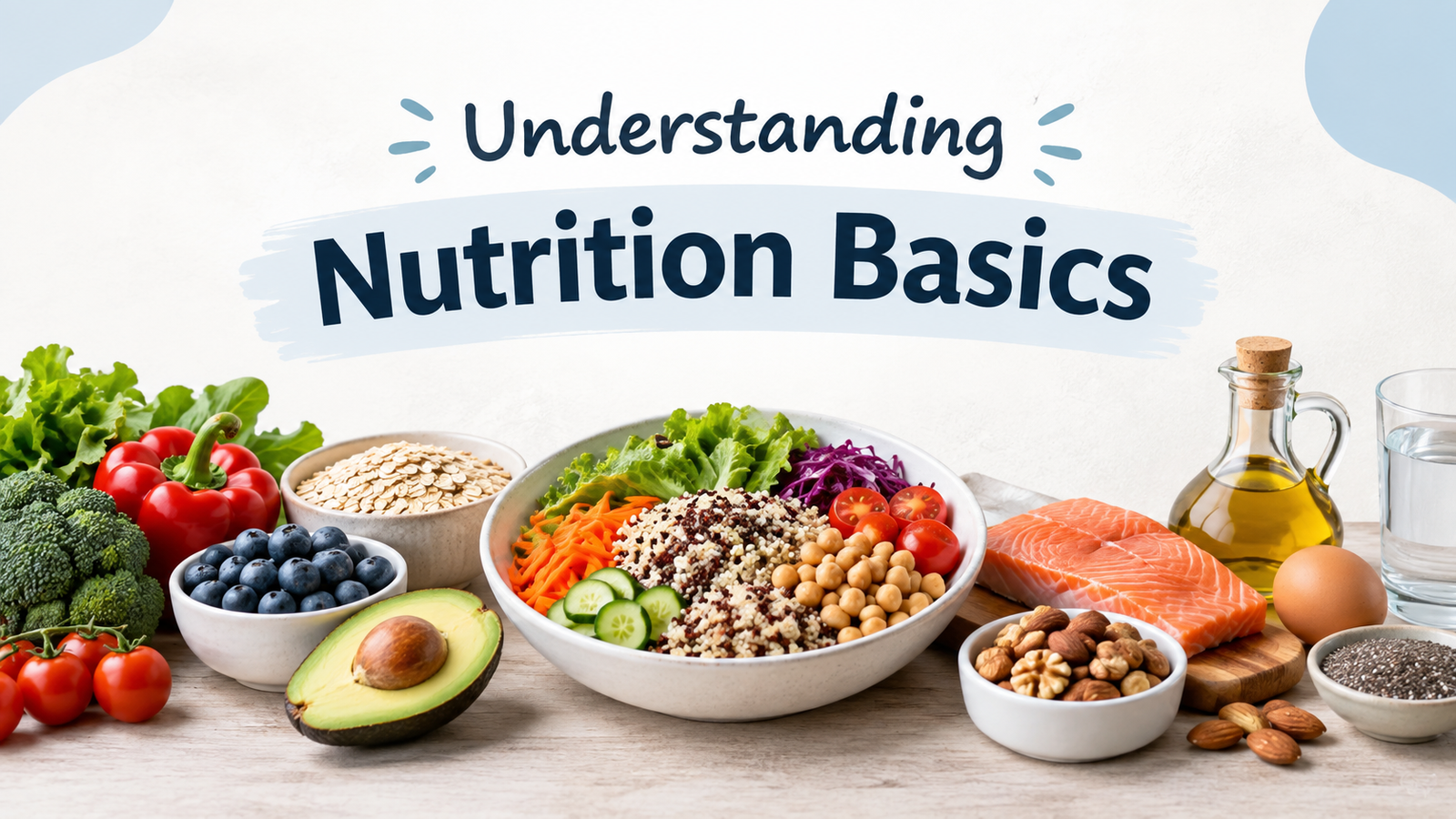
Nutrition is one of the foundations of a healthy and active life. Yet, with so much information about diets, supplements, and healthy eating available today, understanding what the body actually needs can sometimes feel confusing. Understanding Nutrition Basics provides a simple starting point for making better-informed food choices without relying on complicated diet rules.
What Is Nutrition?
Nutrition refers to the process through which the body receives and uses nutrients from food. These nutrients provide energy, support growth and development, help maintain body functions, and contribute to overall well-being.
A balanced approach to nutrition generally includes a variety of foods that provide carbohydrates, proteins, fats, vitamins, minerals, fiber, and water. Each nutrient has a different role, which is why eating a varied diet is generally more useful than focusing on a single food or nutrient.
Why Is Good Nutrition Important?
Good nutrition helps the body obtain the energy and nutrients it needs for everyday activities. A nutritious eating pattern can also support normal body functions and contribute to long-term health.
Rather than viewing healthy eating as a short-term diet, nutrition can be understood as part of an ongoing lifestyle. Small, consistent choices—such as including more nutrient-rich foods and maintaining variety in meals—can make healthy eating easier to maintain.
Essential Nutrients the Body Needs
The body requires several types of essential nutrients to function properly.
Carbohydrates
Carbohydrates are an important source of energy. They are found in foods such as grains, fruits, vegetables, and legumes. Choosing fiber-rich carbohydrate sources can help make meals more nutritious.
Protein
Protein supports the growth, maintenance, and repair of body tissues. Sources include beans, lentils, eggs, dairy products, fish, poultry, meat, nuts, and seeds.
Healthy Fats
Fats provide energy and play important roles in several body processes. Unsaturated fats found in foods such as nuts, seeds, avocados, and certain oils can be included as part of a balanced eating pattern.
Vitamins and Minerals
Vitamins and minerals perform numerous functions throughout the body. Fruits, vegetables, whole grains, dairy products, legumes, nuts, seeds, and other nutrient-rich foods can provide many of these essential nutrients.
Water
Water is also an essential part of nutrition. Adequate hydration supports normal bodily functions and helps the body regulate several important processes.
Building a Balanced Diet
A balanced diet does not require every meal to be perfect. Instead, it involves choosing a variety of foods over time and paying attention to the overall quality of the eating pattern.
A practical meal can include vegetables or fruit, a source of protein, a nutritious carbohydrate, and a suitable source of healthy fat. Portion sizes and individual nutritional needs can vary, so there is no single meal plan that works for everyone.
Nutrition and Sustainable Choices
Nutrition can also connect with sustainability. Food choices can influence not only personal health but also the environment and wider food system. Choosing a diverse range of foods, reducing unnecessary food waste, and considering seasonal or locally available options can be part of a more sustainable approach.
The idea of Sustainable Lining in 2025! can therefore be considered alongside broader conversations about responsible consumption and healthier lifestyles.
Making Nutrition Easier to Understand
Understanding nutrition does not mean memorizing complicated nutritional rules. It starts with recognizing the role of different nutrients and developing practical habits that can fit into everyday life.
By focusing on variety, balance, moderation, and nutrient-rich foods, individuals can develop a more informed relationship with food. The goal is not perfection but creating sustainable habits that support health and well-being over the long term.
Final Thoughts
Understanding Nutrition Basics gives readers the foundation needed to make more informed decisions about food and everyday eating habits. From essential nutrients to balanced meals and sustainable choices, nutrition becomes easier to understand when it is approached through simple, practical principles.










[…] a significant influence on overall well-being. Eating nutritious foods can support the body’s nutritional needs, while regular movement can help maintain strength, mobility, and fitness. Adequate sleep and […]
[…] However, food choices can play an important role. Nutrient-dense foods tend to provide more nutrition and satisfaction without adding excessive […]
[…] occurs throughout the body rather than in one specific area. Genetics, hormones, age, sleep, nutrition, and activity levels can all influence where fat is stored and how quickly it […]
[…] can gradually build it through consistent training, sensible pacing, proper breathing, balanced nutrition, hydration, strength work, and adequate […]