
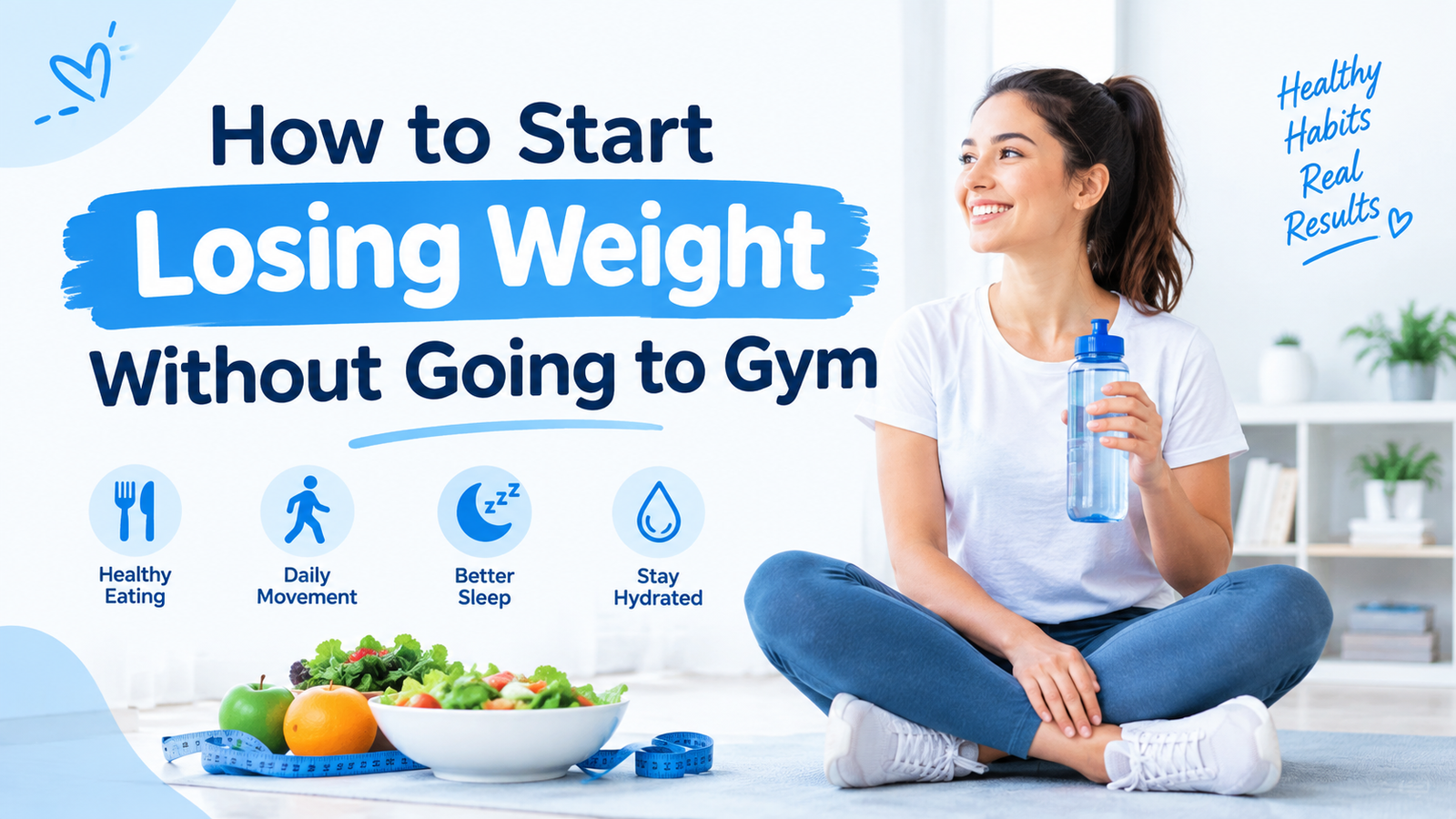
Losing weight does not always require a gym membership, expensive equipment, or intense workout sessions. Many people can begin their weight-loss journey by making small, consistent changes to their daily routines. From improving eating habits to increasing everyday movement, simple lifestyle adjustments can make a meaningful difference over time.
For someone wondering How to Start Losing Weight Without Going to Gym, the key is to focus on sustainable habits rather than quick fixes. A balanced approach can help support gradual weight loss while making healthy living easier to maintain.
Can Someone Lose Weight Without Going to the Gym?
Yes, weight loss can happen without going to the gym. The body uses energy throughout the day, and weight management depends largely on the balance between energy consumed and energy used.
Although structured exercise can be helpful, it is not the only way to increase daily activity. Walking, household chores, climbing stairs, gardening, and other routine movements can contribute to energy expenditure. Food choices, sleep, and consistency also play important roles.
The most effective approach is one that fits comfortably into a person’s lifestyle and can be maintained over time.
1. Make Small Changes to Eating Habits
Food choices have a major influence on weight management. A person does not necessarily need to follow a strict diet to begin making progress. Instead, small improvements can create healthier eating patterns.
Some useful changes include:
- Choosing more vegetables, fruits, whole grains, and protein-rich foods
- Reducing frequent consumption of sugary drinks and highly processed snacks
- Eating meals at a comfortable pace
- Paying attention to hunger and fullness
- Planning meals instead of relying on frequent convenience foods
A balanced diet can help a person feel satisfied while supporting overall health. Extreme restrictions may be difficult to maintain and can make healthy eating feel unnecessarily stressful.
2. Pay Attention to Portion Sizes
Even nutritious foods can contribute to weight gain when portions are consistently larger than the body needs. Portion awareness can help a person enjoy a variety of foods while managing overall calorie intake.
Simple strategies include using smaller plates, serving food before sitting down to eat, and avoiding eating directly from large packages. Checking whether a meal contains a reasonable balance of protein, fiber, carbohydrates, and healthy fats can also support better choices.
Portion control does not mean eliminating favorite foods. It is more about developing a practical understanding of how much food the body needs.
3. Increase Daily Movement
A gym is not the only place where physical activity happens. Everyday movement can be an effective way to become more active without following a formal workout routine.
A person can begin by:
- Taking short walks during breaks
- Choosing stairs when practical
- Walking while speaking on the phone
- Doing household cleaning or gardening
- Parking farther away when possible
- Spending less time sitting continuously
These activities may seem small, but regular movement can add up throughout the day. Someone who is currently inactive can start with manageable amounts and gradually increase activity as comfort and fitness improve.
4. Try Walking as a Simple Exercise
Walking is one of the easiest ways to introduce more physical activity into a daily routine. It requires little equipment and can often be adjusted to suit different fitness levels.
A beginner might start with a short walk and gradually increase the duration or pace. Walking after meals, visiting nearby places on foot, or taking an evening walk can make movement feel like a normal part of the day.
Consistency matters more than starting with an ambitious target. A realistic walking routine is more likely to become a lasting habit.

5. Improve Sleep Quality
Sleep is often overlooked when people focus on weight loss. Poor sleep can affect energy levels, appetite, and the ability to maintain healthy routines.
A person can support better sleep by maintaining a regular bedtime, limiting screen use before bed, and creating a comfortable sleeping environment. Adequate rest may also make it easier to stay active and make balanced food choices during the day.
While sleep alone does not cause weight loss, it can support the habits that contribute to healthy weight management.
6. Drink More Water
Replacing sugary drinks with water can be a simple way to reduce unnecessary calorie intake. Water also helps maintain normal body functions and supports hydration throughout the day.
A person can keep a water bottle nearby, drink water with meals, and choose water more often when feeling thirsty. Unsweetened tea can also be an option for those who prefer variety.
Water is not a magic weight-loss solution, but staying hydrated can support a healthier daily routine.
7. Build a Consistent Routine
Sustainable weight loss usually depends on habits that can be repeated over time. A person who makes several small changes is often better positioned to maintain progress than someone who follows an extreme plan for a short period.
A realistic routine might include:
- Preparing balanced meals at home
- Taking a daily walk
- Limiting frequent high-calorie snacks
- Getting enough sleep
- Tracking habits when helpful
- Allowing occasional flexibility
Progress may not happen at the same speed every week. Weight can fluctuate because of factors such as water retention, food intake, and normal changes in the body. Focusing on long-term consistency can help reduce frustration.
8. Avoid Extreme Diets and Quick Fixes
Crash diets, excessive food restrictions, and unrealistic promises may seem appealing, but they are often difficult to sustain. They can also make a person feel tired, frustrated, or discouraged.
A healthier approach focuses on gradual changes that support nutrition and overall well-being. If someone has a medical condition, takes medication, or has specific dietary concerns, consulting a qualified healthcare professional can help ensure that a weight-loss plan is appropriate.
9. Track Progress in a Healthy Way
Tracking progress can help a person understand which habits are working. However, progress does not need to be measured only by the number on a scale.
Other useful signs include:
- Improved energy levels
- Better stamina during walks
- More consistent eating habits
- Improved sleep
- Clothes fitting differently
- Greater confidence in daily routines
If a person chooses to monitor weight, checking it under consistent conditions can provide a more useful picture than focusing on daily fluctuations.
Final Thoughts
Learning How to Start Losing Weight Without Going to Gym begins with understanding that healthy progress does not depend on a gym membership. Balanced eating, portion awareness, daily movement, quality sleep, and consistent habits can all support weight management.
The most practical approach is one that feels realistic and can be maintained over time. By starting with small changes and gradually building healthier routines, a person can work toward weight-loss goals without making the process unnecessarily complicated.