
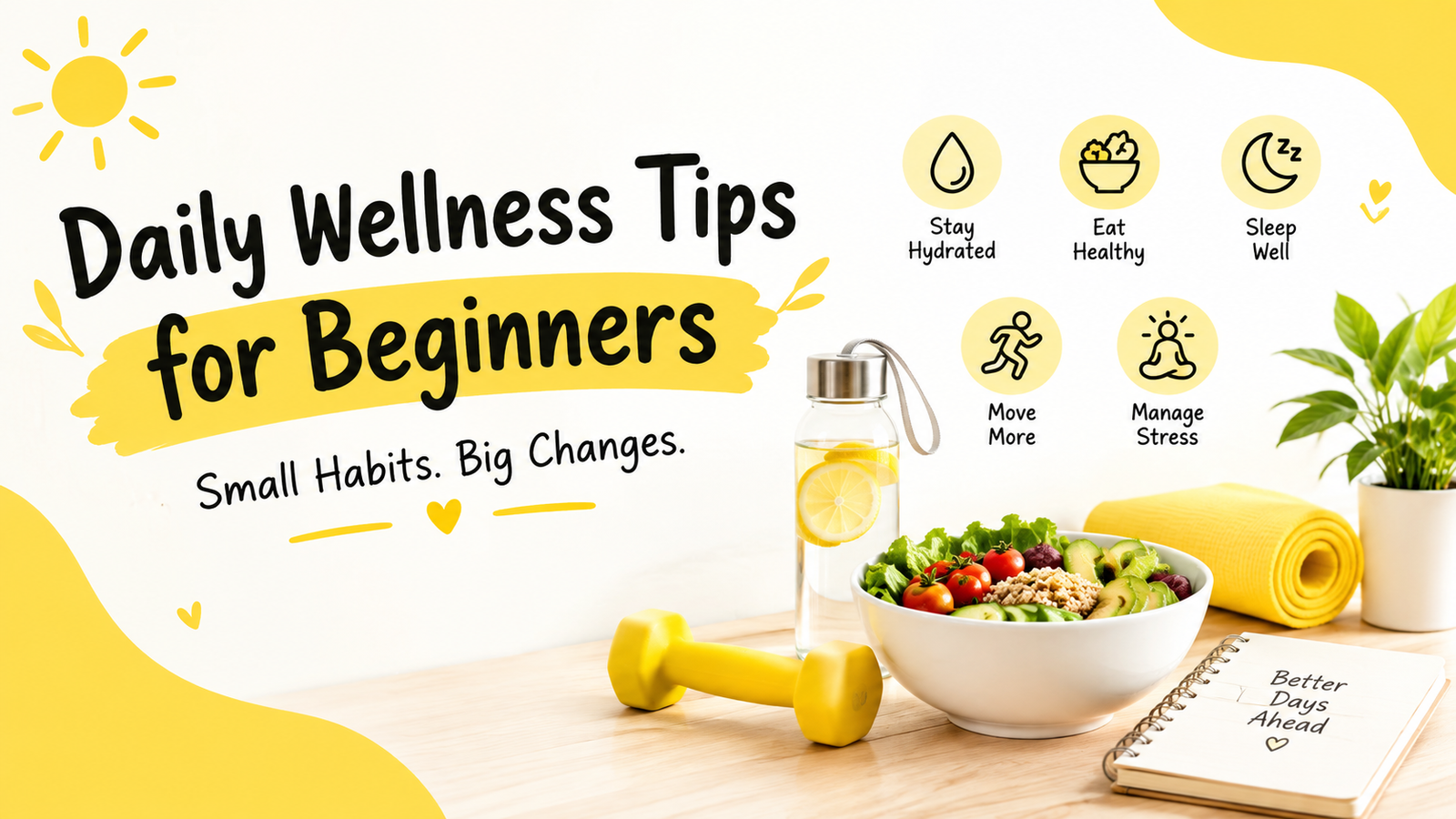
Starting a wellness journey can feel overwhelming, especially when online advice often suggests making several major lifestyle changes at once. However, lasting wellness usually begins with small, manageable habits. Daily Wellness Tips for Beginners! can help individuals improve their everyday routines without making health feel like a complicated task. From drinking enough water and eating balanced meals to getting quality sleep and managing stress, simple actions can make a meaningful difference. This guide explores practical ways beginners can build sustainable habits and support their overall well-being.
What Is Daily Wellness?
Daily wellness refers to the small, consistent choices that support physical, mental, and emotional well-being. It is not about following a perfect routine or making drastic changes overnight. Instead, it focuses on creating habits that fit comfortably into everyday life.
For beginners, wellness may include eating nourishing foods, staying active, getting enough rest, maintaining social connections, and making time for relaxation. These habits work together to help individuals feel more balanced and energized.
Why Sustainable Wellness Habits Matter
Many people begin a health routine with ambitious goals but struggle to maintain them. Strict diets, exhausting workout schedules, or unrealistic expectations can quickly lead to frustration.
Sustainable wellness solves this problem by encouraging gradual progress. A person who starts with a short daily walk, a regular bedtime, or an extra glass of water may find it easier to continue than someone attempting a complete lifestyle transformation.
The goal is not perfection. The goal is consistency. Small improvements, repeated over time, can become habits that support long-term well-being.
1. Start the Day With Hydration
Drinking water is one of the simplest wellness habits a beginner can develop. After several hours of sleep, the body benefits from receiving fluids. Keeping a water bottle nearby can make hydration easier throughout the day.
Water needs vary depending on factors such as activity level, climate, and individual health. Instead of focusing on a strict amount, beginners can pay attention to thirst and make regular drinking part of their routine.
Replacing some sugary drinks with water can also be a practical step toward healthier daily choices.
2. Choose Balanced, Nourishing Meals
Healthy eating does not require complicated recipes or restrictive rules. A balanced meal can include vegetables or fruit, a source of protein, whole grains, and healthy fats.
Beginners can start by making one meal more nutritious rather than changing their entire diet at once. Adding vegetables to lunch, choosing whole-grain options, or including protein in breakfast are simple ways to improve everyday nutrition.
A flexible approach also makes healthy eating easier to maintain. Enjoying occasional treats while returning to balanced choices can support a more realistic relationship with food.
3. Make Movement Part of the Routine
Regular physical activity supports overall health and can improve mood, energy, and mobility. Beginners do not need to start with intense workouts. A short walk, gentle stretching, dancing, or cycling can be a useful starting point.
The most effective activity is often one that feels enjoyable and manageable. Scheduling movement at a convenient time can help turn it into a regular habit.
As fitness and confidence improve, individuals can gradually increase the duration or intensity of their activities according to their abilities.
4. Prioritize Quality Sleep
Sleep plays an important role in physical recovery, concentration, and emotional balance. Yet busy schedules and excessive screen time can make it difficult to maintain a consistent sleep routine.
Beginners can support better sleep by going to bed and waking up at similar times each day. A relaxing evening routine, a comfortable sleep environment, and reduced screen use before bedtime may also help.
Rather than expecting immediate perfection, individuals can focus on making one small improvement to their nightly routine.
5. Practice Simple Stress-Management Techniques
Stress is a normal part of life, but ongoing stress can affect mood, sleep, and daily functioning. Simple stress-management practices can help beginners create moments of calm.
Deep breathing, journaling, listening to relaxing music, spending time outdoors, or taking a short break can be useful options. Even a few quiet minutes during a busy day may help an individual feel more grounded.
When stress becomes difficult to manage or begins affecting daily life, seeking support from a qualified professional can be an important step.
6. Take Breaks From Screens
Digital devices are useful, but excessive screen time can contribute to inactivity, eye strain, and disrupted sleep. Beginners can create healthier digital habits by taking regular breaks and setting boundaries around device use.
A short walk away from the screen, a screen-free meal, or a relaxing activity before bed can make a positive difference. These small changes can also create more time for movement, rest, and meaningful conversations.
7. Build Positive Social Connections
Wellness is not limited to physical health. Supportive relationships can contribute to emotional well-being and help individuals feel connected.
Spending time with family, checking in with a friend, joining a community activity, or participating in a shared hobby can strengthen social connections. Beginners do not need a large social circle; even a few meaningful relationships can provide encouragement and support.

8. Set Realistic Wellness Goals
Unrealistic goals can make a wellness journey feel discouraging. Instead, beginners can focus on specific and achievable targets.
For example, a goal such as “walk for 15 minutes after dinner three times a week” is easier to follow than a vague goal such as “be healthier.” Tracking progress can also help individuals recognize improvements that might otherwise go unnoticed.
Small goals can be adjusted as routines change. Flexibility allows wellness habits to remain practical during busy or challenging periods.
9. Make Time for Mental and Emotional Well-Being
Mental wellness deserves the same attention as physical health. Taking time to relax, reflect, and enjoy meaningful activities can help individuals maintain balance.
Reading, practicing mindfulness, spending time in nature, or enjoying a creative hobby can provide opportunities to recharge. It is also important for beginners to recognize that asking for emotional support is a healthy and responsible choice.
10. Focus on Progress, Not Perfection
One missed workout or an unhealthy meal does not erase previous progress. Wellness is a long-term process, and routines may change because of work, family responsibilities, travel, or unexpected events.
A flexible mindset helps individuals return to healthy habits without guilt. By focusing on what can be improved today, beginners can build confidence and maintain a more positive approach to wellness.
A Simple Daily Wellness Routine for Beginners
A beginner-friendly routine might include:
- Morning: Drink water, eat a balanced breakfast, and spend a few minutes stretching.
- Afternoon: Take a short movement break and choose a nourishing meal.
- Evening: Reduce screen time, practice a relaxing activity, and prepare for consistent sleep.
- Throughout the day: Stay hydrated, take breaks, and make time for supportive connections.
This routine is only a starting point. Each individual can adjust it according to personal needs, schedule, and comfort level.
Final Thoughts
Daily wellness does not require a perfect lifestyle. It begins with small choices that can be repeated consistently. By focusing on hydration, balanced nutrition, movement, sleep, stress management, and realistic goals, beginners can create a healthier and more sustainable routine. The most important step is to begin with habits that feel manageable and gradually build from there.