

How much protein do I need? It is a common question among people who want to build muscle, lose weight, improve fitness, or simply maintain a healthy diet. Protein plays an important role in muscle repair, growth, recovery, and several essential body functions. However, protein needs are not the same for everyone.
The right amount depends on factors such as body weight, age, activity level, fitness goals, and overall health. Understanding these factors can help a person choose an appropriate daily protein intake without unnecessarily overcomplicating nutrition.
Why Does the Body Need Protein?
Protein is one of the three main macronutrients, along with carbohydrates and fats. It is made up of amino acids, which the body uses to build and repair tissues.
Protein supports several important processes, including:
- Building and maintaining muscle tissue
- Repairing cells and body tissues
- Supporting normal immune function
- Producing enzymes and hormones
- Helping the body recover after physical activity
- Supporting feelings of fullness after meals
Because the body continually uses protein, regular dietary intake is important.
How Much Protein Do I Need Each Day?
For a generally healthy adult, a commonly used baseline is around 0.8 grams of protein per kilogram of body weight per day. This represents a minimum recommended intake for many adults rather than a universal target for every person.
For example, a person weighing 70 kilograms would need approximately 56 grams of protein per day based on this basic recommendation.
However, people who exercise regularly, older adults, athletes, and those with specific body-composition goals may benefit from a higher intake.
The ideal amount should therefore be considered in the context of the individual’s lifestyle and goals.
Protein Needs Based on Activity Level
Physical activity can increase protein requirements because exercise places additional demands on muscles and other tissues.
Sedentary Adults
Someone with a mostly sedentary lifestyle may be able to meet their needs around the standard recommended intake. A balanced diet containing protein-rich foods at regular meals can generally provide an adequate amount.
Active Adults
People who exercise regularly may require more protein to support muscle repair and recovery. Strength training, resistance exercise, and other demanding activities can particularly increase the need for dietary protein.
Athletes and Highly Active Individuals
Athletes often have higher protein requirements because of frequent training and greater recovery demands. Their needs can vary considerably depending on the sport, training volume, body size, and overall diet.
Rather than focusing on one exact number, protein intake is best considered alongside total calorie intake, training, recovery, and individual goals.
How Much Protein Is Needed to Build Muscle?
People trying to build muscle generally need more protein than the basic minimum. Resistance training provides the stimulus for muscle growth, while adequate protein supplies the amino acids needed for muscle repair and development.
A commonly used range for active people seeking muscle growth is approximately 1.6 grams of protein per kilogram of body weight per day, with individual needs varying around that level.
For example, a 70-kilogram person following a muscle-building program might aim for roughly 110 grams of protein per day.
Protein alone, however, does not build muscle. Effective resistance training, sufficient calories, carbohydrates, sleep, and recovery all contribute to the process.
How Much Protein Do I Need to Lose Weight?
Protein can also be useful during weight loss because it tends to be filling and can help support the maintenance of lean muscle while calorie intake is reduced.
A person trying to lose weight may benefit from a higher protein intake than the basic minimum, particularly when regular exercise is included. The appropriate amount depends on body size, activity, calorie intake, and the individual’s overall nutrition plan.
A sustainable approach is generally more useful than simply consuming as much protein as possible.
Does Age Affect Protein Requirements?
Protein needs can change throughout life.
Older adults may need more protein to help preserve muscle mass and physical function as the body becomes less responsive to dietary protein and muscle loss becomes a greater concern.
Children and teenagers also have different nutritional requirements because they are still growing and developing. Their protein needs should be considered according to age, growth, body size, and overall dietary requirements.
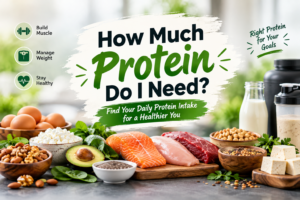
Best Sources of Protein
Protein can come from both animal and plant foods. Including a variety of sources can make it easier to meet daily requirements while providing other important nutrients.
Animal-Based Protein Sources
Common options include:
- Eggs
- Chicken
- Fish
- Lean meat
- Milk
- Greek yogurt
- Cottage cheese
These foods can provide substantial amounts of protein along with nutrients such as calcium, iron, vitamin B12, and other vitamins and minerals.
Plant-Based Protein Sources
Plant-based options include:
- Lentils
- Beans
- Chickpeas
- Peas
- Tofu
- Tempeh
- Nuts
- Seeds
- Soy products
A varied plant-based diet can provide plenty of protein. Combining different foods throughout the day can also help provide a broad range of essential amino acids.
How Should Protein Be Distributed Throughout the Day?
Getting enough protein is important, but spreading intake across meals can also be a practical strategy.
Instead of consuming most of the day’s protein in one meal, a person can include a protein source at breakfast, lunch, dinner, and snacks when appropriate.
For example, breakfast might include eggs or Greek yogurt, lunch could contain chicken or lentils, and dinner might include fish, tofu, or beans.
This approach can make it easier to reach a daily target without relying on one very large serving.
Is Too Much Protein Bad?
More protein is not automatically better. Once an individual’s nutritional needs are met, increasing protein intake substantially may provide little additional benefit.
Very high-protein diets can also make it harder to include enough fruits, vegetables, whole grains, healthy fats, and other nutrient-rich foods.
People with certain medical conditions, particularly kidney disease, may need individualized advice about protein intake. Anyone with a relevant health condition should discuss dietary changes with a qualified healthcare professional.
Do Protein Supplements Need to Be Used?
Protein supplements are convenient, but they are not essential for everyone.
Most people can obtain adequate protein from ordinary foods. Protein powder can simply provide a convenient option when meals do not provide enough protein or when someone needs a quick post-workout option.
A supplement should generally complement a balanced diet rather than replace nutritious whole foods.
How Can Someone Meet Daily Protein Needs?
A practical approach is to include a protein-rich food with most meals. Planning meals in advance can also make it easier to reach an appropriate daily target.
Simple choices include:
- Adding eggs to breakfast
- Choosing Greek yogurt as a snack
- Including beans or lentils with lunch
- Adding chicken, fish, tofu, or lean meat to dinner
- Using nuts and seeds as additional protein sources
The goal is not perfection but consistency.
Final Thoughts
So, how much protein do I need? There is no single amount that works for everyone. A person’s protein requirements depend on body weight, age, activity level, exercise habits, and health or fitness goals.
The standard recommendation of around 0.8 grams per kilogram of body weight provides a useful baseline for many healthy adults, while active individuals and those pursuing muscle growth may benefit from higher amounts.
The most sustainable approach is to choose nutritious protein sources, distribute them throughout the day, and consider protein as one part of an overall balanced diet.








[…] few practical adjustments, individuals can support regular digestion while continuing to meet their protein […]