
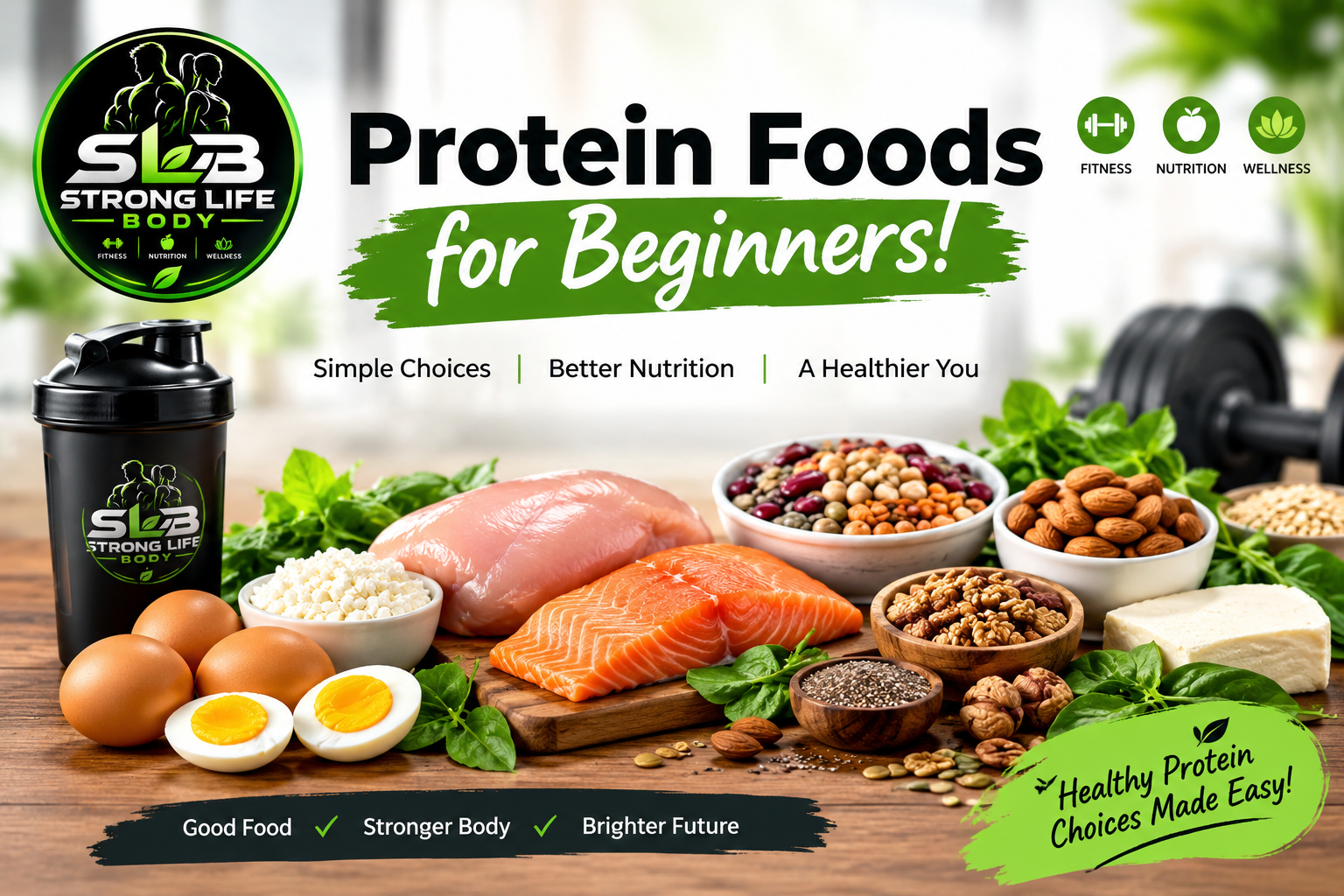
Protein is one of the most important nutrients in a balanced diet. It helps the body build and repair muscles, maintain tissues, and support many everyday functions. However, people who are new to healthy eating or fitness may not know which foods provide enough protein or how to add them to regular meals.
The good news is that choosing protein-rich foods does not need to be complicated. There are plenty of affordable and easy-to-prepare options, including eggs, dairy products, meat, fish, beans, lentils, nuts, and seeds. This guide to Protein Foods for Beginners explains the best choices, their benefits, and simple ways to include them in a healthy daily diet.
Why Is Protein Important?
Protein is made up of amino acids, which the body uses for several important processes. It plays a major role in maintaining muscles and repairing tissues after normal daily activity or exercise.
A protein-rich diet can also help a person feel satisfied after meals. This can make it easier to maintain regular eating habits and avoid unnecessary snacking. Protein is particularly important for people who exercise regularly because physical activity places additional demands on muscles.
For beginners, the main goal does not have to be consuming huge amounts of protein. Instead, a balanced diet can provide moderate amounts throughout the day from different food sources.
Best Protein Foods for Beginners
Beginners can choose from many protein sources. The best option often depends on personal taste, dietary preferences, budget, and availability.
1. Eggs
Eggs are among the simplest protein foods to include in everyday meals. They are versatile, relatively affordable, and can be prepared in several ways.
Boiled eggs can make a convenient breakfast or snack, while scrambled or omelet-style eggs can be combined with vegetables for a more balanced meal.
2. Chicken
Chicken is a popular source of protein because it is versatile and easy to prepare. Skinless chicken breast is particularly well known for providing protein with relatively little fat.
Chicken can be grilled, baked, roasted, or added to salads, wraps, rice dishes, and soups. Using herbs and spices instead of heavy sauces can keep meals lighter.
3. Fish
Fish provides protein along with other valuable nutrients. Options such as salmon, tuna, sardines, and other commonly available fish can be included in a balanced diet.
Fish can be baked, grilled, or cooked with vegetables. Choosing different varieties throughout the week can add variety to meals.
4. Milk and Yogurt
Dairy products can provide an easy way to increase protein intake. Milk can be added to breakfast or smoothies, while yogurt works well as a snack or breakfast ingredient.
Greek-style yogurt is often higher in protein than regular yogurt, although nutritional values vary between products. Choosing options with less added sugar can be useful for people trying to maintain a balanced diet.
5. Lentils
Lentils are an excellent plant-based protein option. They are also a source of fiber and can be used in soups, curries, salads, and other meals.
They are especially useful for people who want to reduce their dependence on meat while still including protein in their diet.
6. Beans
Beans are another affordable plant-based choice. Kidney beans, black beans, chickpeas, and other varieties can be added to meals in numerous ways.
They can be used in salads, soups, stews, wraps, and rice dishes. Combining beans with grains can create a filling and nutritious meal.
7. Nuts and Seeds
Nuts and seeds provide protein along with healthy fats and other nutrients. Almonds, peanuts, pumpkin seeds, chia seeds, and sunflower seeds are examples of options that can be added to meals.
Because nuts and seeds are energy-dense, reasonable portions can help maintain a balanced diet.
8. Cottage Cheese
Cottage cheese can be a convenient protein-rich food for people who enjoy dairy products. It can be eaten on its own or combined with fruit, vegetables, whole-grain toast, or other foods.
It can also work as a simple snack between meals.
9. Tofu
Tofu is a useful plant-based protein made from soybeans. It can absorb the flavors of sauces, herbs, and spices, making it suitable for many different recipes.
It can be grilled, baked, stir-fried, or added to soups and vegetable dishes.
Animal-Based vs. Plant-Based Protein
Protein foods generally come from either animal or plant sources. Meat, fish, eggs, and dairy products are common animal-based choices, while beans, lentils, peas, nuts, seeds, and tofu are plant-based options.
A healthy diet does not necessarily need to rely on only one category. Many people can benefit from including a mixture of both.
Plant-based protein foods can also provide fiber and other nutrients that are important for overall health. Animal-based foods can offer convenient sources of high-quality protein and other nutrients. The best approach depends on an individual’s dietary needs and preferences.
How Much Protein Does a Beginner Need?
Protein requirements vary from person to person. Factors such as body size, age, physical activity, overall health, and fitness goals can influence how much protein is appropriate.
Instead of focusing only on a specific number, beginners can start by including a protein source with each main meal. For example, breakfast might include eggs or yogurt, lunch could contain chicken or lentils, and dinner might include fish, beans, tofu, or another protein-rich food.
People with specific health conditions or particular dietary goals can seek personalized advice from a qualified healthcare or nutrition professional.
Simple Ways to Add More Protein to Meals
Increasing protein intake can be easier when small changes are made to familiar meals.
Some simple ideas include:
- Adding eggs to breakfast.
- Mixing yogurt with fruit and seeds.
- Adding lentils or beans to soups and curries.
- Including chicken or fish in lunch or dinner.
- Sprinkling nuts or seeds over oatmeal or yogurt.
- Using tofu in vegetable stir-fries.
- Choosing cottage cheese as a snack.
- Adding milk to smoothies.
These small adjustments can make meals more balanced without requiring a complete change in eating habits.
Protein Foods on a Budget
Eating more protein does not always mean buying expensive foods. Eggs, lentils, beans, milk, peanuts, and some canned fish can be relatively economical options.
Buying dried beans or lentils in larger quantities can sometimes reduce the cost per serving. Preparing meals at home can also make it easier to control ingredients and portion sizes.
A combination of affordable plant-based foods and selected animal-based options can provide plenty of variety without placing unnecessary pressure on the food budget.
Common Mistakes Beginners Should Avoid
Beginners sometimes assume that more protein is always better. However, a healthy diet needs more than protein alone. Carbohydrates, healthy fats, vitamins, minerals, fiber, and adequate fluids are also important.
Another common mistake is relying heavily on highly processed protein products while ignoring whole foods. Protein bars, shakes, and other products can be convenient, but they do not always need to replace nutritious meals.
It is also helpful to avoid eating the same protein source every day. Variety allows meals to remain interesting and can provide a broader range of nutrients.
Are Protein Shakes Necessary for Beginners?
Protein shakes can be convenient, particularly for people who have difficulty meeting their nutritional needs through regular meals. However, they are not essential for everyone.
A person who already gets enough protein from foods such as eggs, dairy, meat, fish, beans, lentils, nuts, and seeds may not need a protein supplement.
Whole foods can provide protein alongside other nutrients, making them a useful foundation for a balanced diet. Supplements may have a role in certain situations, but individual needs should be considered before relying on them regularly.
A Simple High-Protein Day for Beginners
A beginner-friendly day of meals could look like this:
Breakfast: Eggs with whole-grain toast and fruit.
Morning snack: Yogurt with a small serving of nuts or seeds.
Lunch: Chicken, lentil, or bean salad with vegetables and whole grains.
Afternoon snack: Milk, cottage cheese, or a handful of peanuts.
Dinner: Fish, chicken, tofu, or lentils with vegetables and rice or another whole-grain food.
This is only an example. Portion sizes and food choices can be adjusted according to individual nutritional requirements, preferences, and goals.
How to Choose the Right Protein Foods
There is no single protein food that is perfect for everyone. Beginners can consider several factors when choosing what to eat.
Nutritional value: Foods that provide protein along with vitamins, minerals, fiber, or healthy fats can contribute to an overall balanced diet.
Affordability: Affordable foods such as eggs, beans, lentils, and peanuts can make healthy eating more sustainable.
Convenience: Foods that are easy to prepare are more likely to become part of a regular routine.
Personal preference: Enjoying the food matters. A sustainable eating pattern should include foods that fit a person’s tastes and lifestyle.
Variety: Rotating different protein sources can make meals more enjoyable and nutritionally diverse.
Final Thoughts
Choosing healthy protein foods can be simple, even for someone who is completely new to nutrition. Eggs, chicken, fish, dairy products, beans, lentils, nuts, seeds, and tofu all offer practical ways to include protein in everyday meals.
The key is not to focus on one particular food or consume excessive amounts of protein. Instead, beginners can build balanced meals around a variety of nutritious foods and gradually develop eating habits that fit their lifestyle.
With a little planning and variety, Protein Foods for Beginners can become a straightforward part of a healthy and enjoyable diet.









[…] beginners, wellness may include eating nourishing foods, staying active, getting enough rest, maintaining social connections, and making […]