
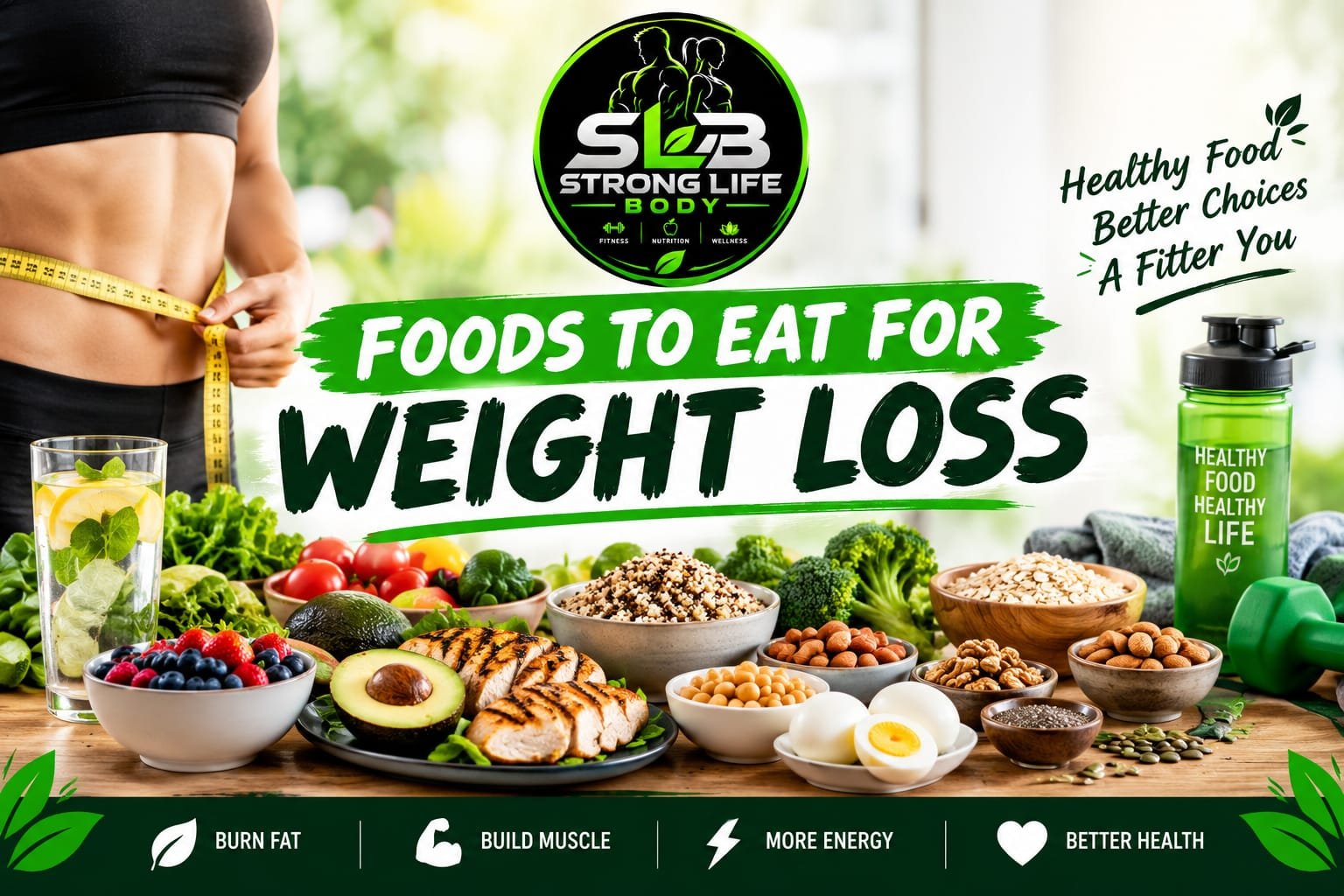
Losing weight does not have to mean following extreme diets or skipping favorite meals. Choosing nutritious, filling foods can make it easier to manage daily calorie intake while providing the body with the nutrients it needs. The best foods for weight loss are generally rich in protein, fiber, vitamins, minerals, and healthy fats. They can help keep hunger under control and make healthy eating easier to maintain over time.
Why Food Choices Matter for Weight Loss
Weight loss depends on several factors, including overall eating habits, physical activity, sleep, and calorie balance. However, food choices can play an important role. Nutrient-dense foods tend to provide more nutrition and satisfaction without adding excessive calories.
Foods to Eat for Weight loss high in protein and fiber are particularly useful because they can help a person feel fuller for longer. Replacing highly processed foods with whole or minimally processed options can also support healthier eating habits.
1. Eggs
Eggs are a convenient source of high-quality protein and can be included in breakfast, lunch, or dinner. Their protein content can contribute to feelings of fullness, making them a practical choice for people trying to manage their food intake.
Boiled eggs, scrambled eggs with vegetables, or an omelet can provide simple and satisfying meal options.
2. Leafy Green Vegetables
Leafy greens such as spinach, kale, lettuce, and Swiss chard are low in calories while providing fiber and important vitamins and minerals. They can add volume to meals without significantly increasing calorie intake.
A generous serving of leafy greens can be used as the base of a salad or added to soups, wraps, omelets, and other meals.
3. Lean Chicken
Chicken breast and other lean cuts of chicken provide protein without requiring large portions. Protein-rich foods can be especially helpful when building meals designed to keep hunger satisfied.
Grilled, baked, or roasted chicken can be paired with vegetables and whole grains for a balanced meal.
4. Fish
Fish can be an excellent addition to a weight-loss-friendly eating pattern. Many varieties provide protein, while oily fish such as salmon, sardines, and mackerel also contain beneficial omega-3 fatty acids.
Grilled or baked fish can be served with vegetables and a moderate portion of whole grains for a nutritious meal.
5. Greek Yogurt
Plain Greek yogurt is rich in protein and can be a useful alternative to sugary desserts or snacks. It can be combined with fresh berries, fruit, or a small amount of nuts for extra flavor and texture.
Choosing unsweetened varieties helps limit added sugar.
6. Beans and Lentils
Beans, chickpeas, and lentils provide a combination of protein and fiber. This makes them filling foods that can fit well into a balanced weight-loss diet.
They can be added to salads, soups, curries, grain bowls, or vegetable-based meals. They are also useful sources of plant-based protein.
7. Oatmeal
Oatmeal is a fiber-rich breakfast option that can provide lasting satisfaction. It can be prepared with milk or water and topped with fruit, cinnamon, seeds, or a small portion of nuts.
Avoiding excessive amounts of sugar and high-calorie toppings can help keep the meal balanced.
8. Berries
Strawberries, blueberries, raspberries, and blackberries can add natural sweetness to meals and snacks. They provide fiber and various vitamins while generally being lower in calories than many processed sweet treats.
Berries can be added to yogurt, oatmeal, smoothies, or eaten on their own.
9. Avocado
Although avocado is relatively calorie-dense, it provides healthy unsaturated fats and fiber. Because portion size matters, a moderate serving can be included as part of a balanced diet.
Avocado works well in salads, whole-grain toast, wraps, and vegetable bowls.
10. Nuts and Seeds
Almonds, walnuts, chia seeds, flaxseeds, and pumpkin seeds provide healthy fats, protein, and other nutrients. However, they are energy-dense, so smaller portions are generally appropriate.
A small handful of nuts or a spoonful of seeds can add flavor and nutrition to yogurt, oatmeal, or salads.
11. Whole Grains
Whole grains such as brown rice, quinoa, oats, and whole-grain bread can provide fiber and other nutrients. They can be more satisfying than highly refined grain products when included as part of balanced meals.
Portion size remains important because whole grains still contribute calories.
12. Fruits and Vegetables
A wide variety of fruits and vegetables can make meals more filling, colorful, and nutritious. Vegetables such as broccoli, cauliflower, cucumber, tomatoes, carrots, and peppers can be used generously in many meals.
Whole fruits can also provide fiber and natural sweetness, making them a useful alternative to highly processed snacks.
How to Include These Foods in Daily Meals
A simple approach is to build meals around a source of protein, plenty of vegetables, a moderate portion of whole grains or other carbohydrates, and a small amount of healthy fat.
For example, a balanced lunch could include grilled chicken, leafy greens, tomatoes, cucumber, quinoa, and avocado. Breakfast could consist of oatmeal with berries and Greek yogurt, while a dinner might combine baked fish with roasted vegetables and brown rice.
Portion Control Still Matters
Even nutritious foods can contribute to weight gain when consumed in excessive amounts. Weight management is not only about which foods are selected but also about overall portions and eating patterns.
Using smaller plates, eating slowly, paying attention to hunger and fullness cues, and limiting high-calorie drinks can make portion management easier.
Foods to Limit During Weight Loss
A weight-loss diet does not necessarily require completely eliminating particular foods. However, foods and drinks high in added sugar, refined carbohydrates, unhealthy fats, and calories can be easier to overconsume.
Sugary beverages, heavily processed snacks, fried foods, sweets, and oversized portions may be better enjoyed less frequently while nutrient-dense foods take up more of the diet.
Final Thoughts
The best Foods to Eat for Weight Loss are not simply those with the fewest calories. They are foods that provide valuable nutrients, support fullness, and fit comfortably into a person’s regular eating habits. Protein-rich foods, vegetables, fruits, whole grains, legumes, and healthy fats can all have a place in a balanced approach.
Rather than relying on short-term restrictions, sustainable weight management is better supported by consistent eating habits, sensible portions, regular movement, adequate sleep, and realistic goals.








[…] people begin their weight loss journey with strict rules and unrealistic expectations. Although these approaches may produce quick […]