How to Eat Healthy on a Budget: A Practical Guide
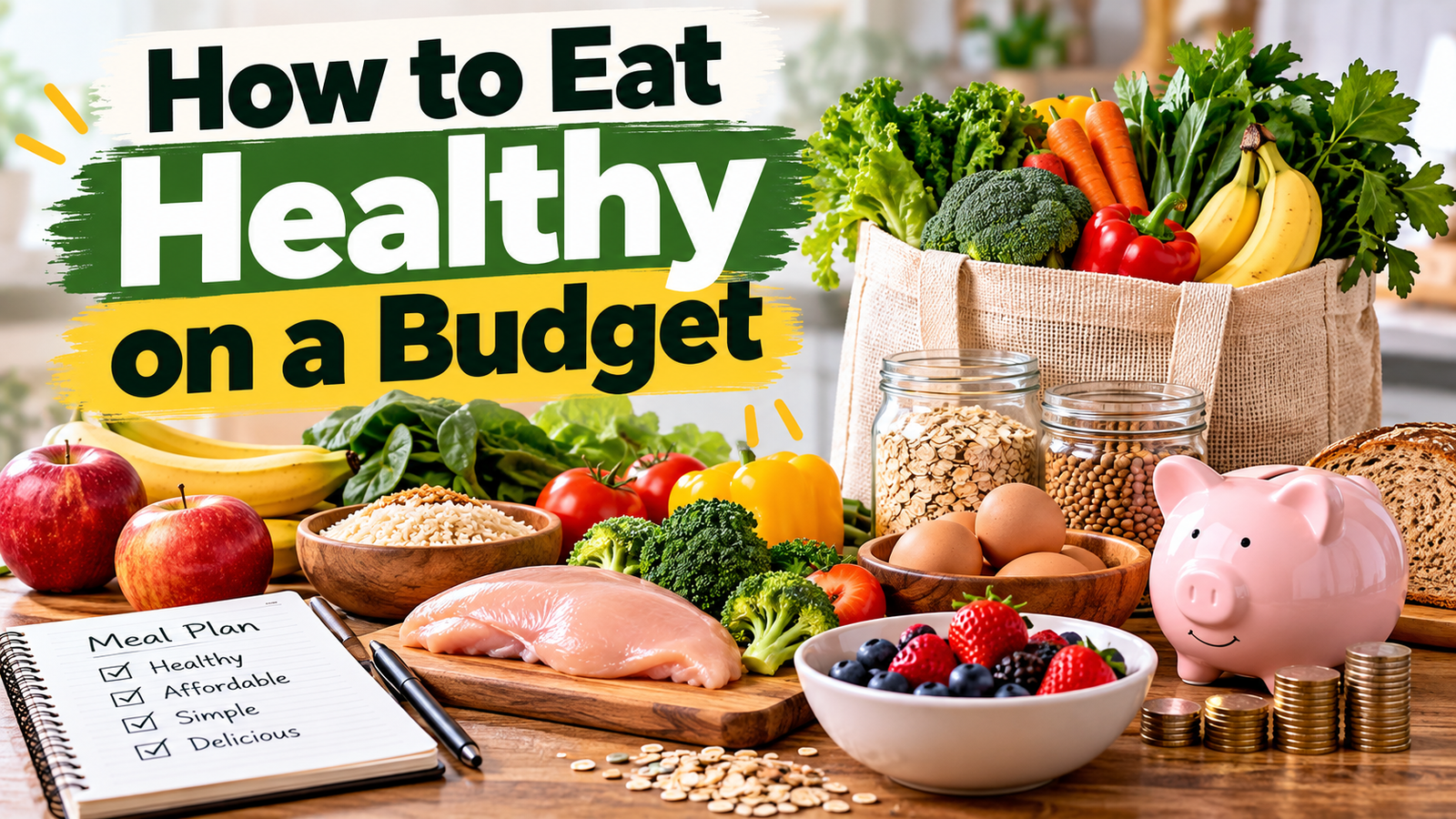
How to Eat Healthy on a Budget is a common concern for people who want nutritious meals without spending too much money. Healthy eating does not have to depend on expensive ingredients, premium products, or complicated recipes. With thoughtful meal planning, smarter shopping, and simple food choices, a person can build a balanced diet while keeping grocery expenses under control.
A sustainable approach focuses on getting more nutritional value from everyday foods while reducing unnecessary spending and food waste. Small habits, such as preparing meals at home and shopping with a list, can make healthy eating easier to maintain.
This article explains how to eat healthy on a budget through affordable food choices, meal planning, smart grocery shopping, proper food storage, and other practical strategies that can support both health and savings.
Why Healthy Eating Does Not Have to Be Expensive
Many people associate healthy eating with expensive organic products, supplements, specialty foods, and trendy ingredients. However, a nutritious diet can also be built around simple and affordable staples.
Foods such as oats, beans, lentils, eggs, potatoes, rice, seasonal vegetables, fruit, and whole grains can provide valuable nutrients without requiring a large grocery budget.
The key is to focus on nutritional value rather than marketing. A basic home-cooked meal containing a protein source, vegetables, and an affordable carbohydrate can often be both nutritious and economical.
How to Eat Healthy on a Budget with 10 Smart Strategies
Learning how to eat healthy on a budget becomes easier when a person develops a few practical habits. The following strategies can help lower grocery costs while maintaining a nutritious and varied diet.
1. Plan Meals Before Grocery Shopping
Meal planning is one of the simplest ways to control food spending.
Before visiting the grocery store, a person can decide what meals will be prepared during the next several days. Existing ingredients in the refrigerator, freezer, and pantry should be checked first.
A meal plan can then be created around foods that are already available.
Planning ahead helps prevent unnecessary purchases and reduces the chance of buying ingredients that may eventually be thrown away.
A simple weekly plan does not need to include complicated recipes. Breakfast might include oatmeal and fruit, lunch could consist of rice with beans and vegetables, while dinner might include eggs, potatoes, vegetables, or another affordable protein source.
2. Create a Grocery List and Follow It
Once meals are planned, a shopping list can help keep grocery spending under control.
The list should include only the ingredients needed for planned meals, snacks, and basic household food supplies. Sticking to that list can reduce impulse purchases.
It can also be helpful to organize the list into categories such as:
- Vegetables and fruit
- Protein foods
- Whole grains
- Dairy or alternatives
- Pantry staples
- Frozen foods
A structured list makes shopping faster and helps a person focus on necessary purchases rather than attractive packaging or promotions.
3. Choose Affordable Whole Foods
Nutritious foods do not always need to carry a high price tag.
Some affordable options include oats, brown rice, beans, lentils, eggs, potatoes, bananas, carrots, cabbage, frozen vegetables, whole-grain bread, and plain yogurt.
Beans and lentils are particularly useful for budget-conscious meals because they provide protein and fiber and can be added to soups, curries, salads, and rice dishes.
Choosing more basic whole foods and fewer highly processed convenience products can also give a person greater control over ingredients and portion sizes.
4. Buy Seasonal Fruits and Vegetables
Fresh produce can become expensive when purchased outside its natural growing season.
Seasonal fruits and vegetables are often more affordable because they are more widely available. They may also offer better taste and quality.
A person does not need to buy every type of fruit or vegetable each week. Instead, meals can be planned around whichever nutritious produce is available at a reasonable price.
When fresh produce is too expensive, frozen options can be a practical alternative.
5. Use Frozen Fruits and Vegetables
Frozen produce can make healthy eating more convenient and affordable.
Because frozen vegetables and fruits can be stored for longer periods, there is less pressure to use them immediately. This can reduce food waste and make it easier to keep nutritious ingredients available.
Frozen peas, spinach, mixed vegetables, berries, and similar products can be added to smoothies, soups, rice dishes, oatmeal, and other meals.
When choosing packaged frozen produce, a person can check the ingredient list and select products without unnecessary added sugar or sauces when possible.
6. Cook More Meals at Home
Restaurant meals, takeout, and frequent food delivery can quickly increase monthly food expenses.
Cooking at home allows a person to control ingredients, serving sizes, and costs. Simple meals can also be prepared in larger quantities and saved for another day.
For example, a large pot of lentil soup, vegetable curry, rice and beans, or another simple dish can provide several servings.
Home cooking does not need to be complicated. A collection of five or six affordable recipes can provide enough variety for a practical weekly routine.
7. Buy in Bulk When It Actually Saves Money
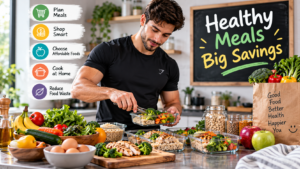
Buying larger quantities can lower the cost per serving for certain foods.
Rice, oats, dried beans, lentils, pasta, and other shelf-stable staples may be cheaper when purchased in larger packages.
However, bulk buying is useful only when the food will actually be consumed.
Buying a large package simply because it appears cheaper can lead to waste if the product expires or remains unused. The unit price and realistic household needs should therefore be considered before making a bulk purchase.
8. Choose Budget-Friendly Protein Sources
Protein is an important part of a balanced diet, but some protein-rich foods can be expensive.
A person trying to reduce grocery costs can include affordable options such as:
- Eggs
- Lentils
- Beans
- Chickpeas
- Plain yogurt
- Canned fish when reasonably priced
- Peanut butter
- Milk
- Tofu where affordable
Combining different protein sources throughout the week can provide variety while preventing the grocery budget from depending heavily on expensive meat products.
9. Reduce Food Waste
Throwing away unused food also means throwing away money.
Food waste can be reduced by checking expiration dates, storing ingredients correctly, freezing extra portions, and using leftovers creatively.
Cooked vegetables may be added to an omelet. Leftover rice can become part of another meal. Ripe fruit can be used in oatmeal or smoothies.
It can also help to follow a “first in, first out” approach, where older foods are placed where they will be noticed and used before newly purchased items.
10. Prepare Meals in Advance
Meal preparation can save both time and money.
A person might prepare rice, beans, vegetables, boiled eggs, or another staple in advance and use these ingredients in different meals over the following days.
Having prepared food available can make convenient but expensive takeout less tempting.
Meal preparation does not necessarily mean cooking an entire week of identical meals. Even preparing two or three ingredients in advance can make healthy meals easier to assemble.
Compare Prices Instead of Shopping by Brand
Brand recognition does not always indicate better nutritional value.
Store-brand or generic products may contain similar ingredients while costing less. Comparing the price, quantity, ingredient list, and nutrition information can help shoppers identify better-value choices.
The unit price is particularly useful because package sizes can be misleading. A larger package is not automatically the better deal.
Smart comparison shopping can gradually produce meaningful savings, especially for frequently purchased foods.
Keep Healthy Snacks Simple
Snacks can become surprisingly expensive when individually packaged products are purchased regularly.
Simple snacks can be both nutritious and budget-friendly. Examples include fruit, homemade popcorn, boiled eggs, yogurt, carrots, or whole-grain toast with peanut butter.
Preparing snacks at home can also make portion control easier.
The goal is not to eliminate snacks but to choose options that provide nutritional value without adding unnecessary expense.
Drink More Water
Beverages can take up a significant portion of a grocery budget.
Soft drinks, energy drinks, specialty coffees, and other sweetened beverages may increase spending while adding extra sugar and calories.
Water is generally the simplest everyday hydration choice. Carrying a reusable water bottle can make it easier to drink water throughout the day and reduce spending on packaged beverages.
Avoid Shopping While Very Hungry
Shopping when extremely hungry can make unplanned food purchases more tempting.
A person may be more likely to choose snacks, convenience foods, or other products that were not included in the original shopping plan.
Eating a normal meal or snack before grocery shopping can make it easier to follow a prepared list and make thoughtful purchasing decisions.
Build Meals Around Affordable Staples
One effective way to understand how to eat healthy on a budget is to build meals around inexpensive staple foods.
For example, a meal could start with rice, potatoes, oats, or whole grains. A protein source such as beans, lentils, eggs, or yogurt can then be added, followed by available vegetables or fruit.
This approach can create many different meal combinations without requiring a completely different set of ingredients for every recipe.
A few versatile ingredients can therefore become the foundation of several meals throughout the week.
Do Not Depend on “Healthy” Marketing Labels
Products marketed as “fitness,” “natural,” “high protein,” or “superfood” are not automatically necessary for a nutritious diet.
Some specialty products can cost considerably more than basic foods that provide similar nutrients.
Instead of relying only on front-of-package claims, shoppers can compare ingredient lists, nutrition labels, serving sizes, and prices.
A balanced eating pattern matters more than purchasing foods simply because their packaging suggests they are healthier.
Make Changes Gradually
Trying to completely transform a diet and grocery routine overnight can be difficult to maintain.
A more sustainable approach is to make one or two changes at a time. A person might begin by planning meals before shopping, cooking at home one additional day each week, or replacing an expensive snack with a simpler alternative.
Once that habit becomes comfortable, another change can be introduced.
Gradual improvements can make budget-friendly healthy eating feel like a normal lifestyle rather than a temporary challenge.
Example of an Affordable Healthy Day
A simple day of meals might look like this:
Breakfast: Oatmeal with banana and peanut butter.
Lunch: Rice, lentils, and mixed vegetables.
Snack: Plain yogurt with fruit.
Dinner: Eggs with potatoes, vegetables, and whole-grain bread.
This is only an example. Food preferences, nutritional needs, local prices, allergies, culture, and availability can all influence what an individual chooses to eat.
The important principle is to combine affordable foods from different food groups rather than relying on expensive specialty products.
Conclusion
Learning how to eat healthy on a budget is less about finding the cheapest possible food and more about getting good nutritional value from the money being spent. Meal planning, grocery lists, affordable whole foods, seasonal produce, home cooking, smart protein choices, and proper food storage can all help reduce unnecessary expenses.
Healthy eating can become more affordable when a person develops simple habits and uses ingredients efficiently. There is no need to change everything at once. Small, consistent improvements can gradually create an eating routine that supports both a balanced diet and a manageable grocery budget.